




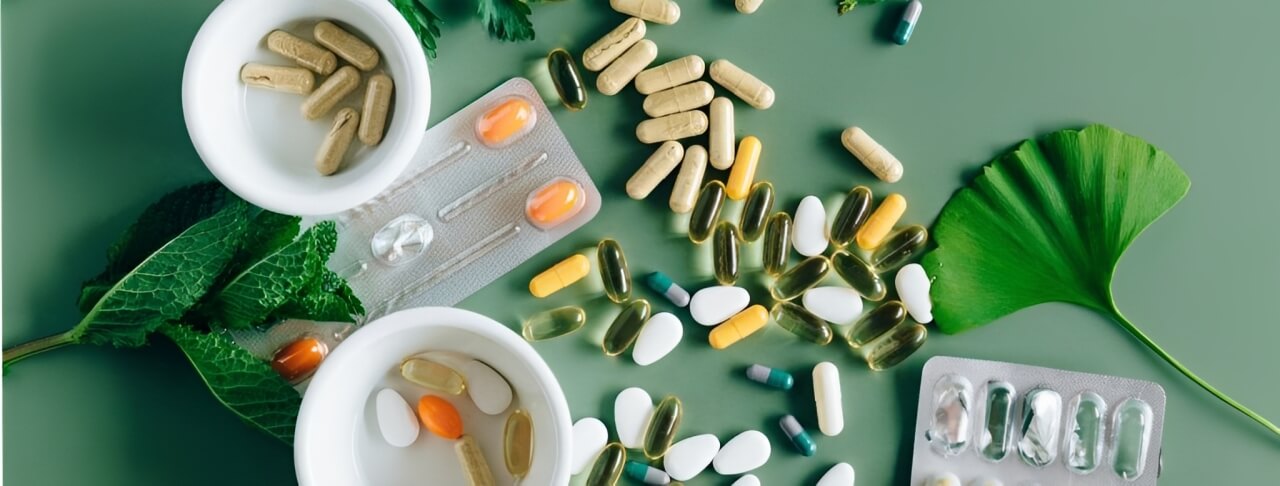
Life enhancer
Dec 24, 2025

This year, you spent €180 on probiotics. Three different brands. Billions of CFUs. Premium prices. Glowing reviews.
And your digestive problems? Still there. Your bloated feeling? Unchanged. Improved energy? No results. The problem isn't you. The problem is the probiotics themselves.
Here's what the dietary supplement industry quietly knows: research shows that most probiotic bacteria die in stomach acid before they even reach your intestines. That bottle you just bought? Most of its contents are biologically useless. Search the best probiotics that survive stomach acid requires an understanding of protective delivery technology and the selection of bacterial strains.
We guide you through what clinical research reveals about probiotic survival and how to identify products that actually work.
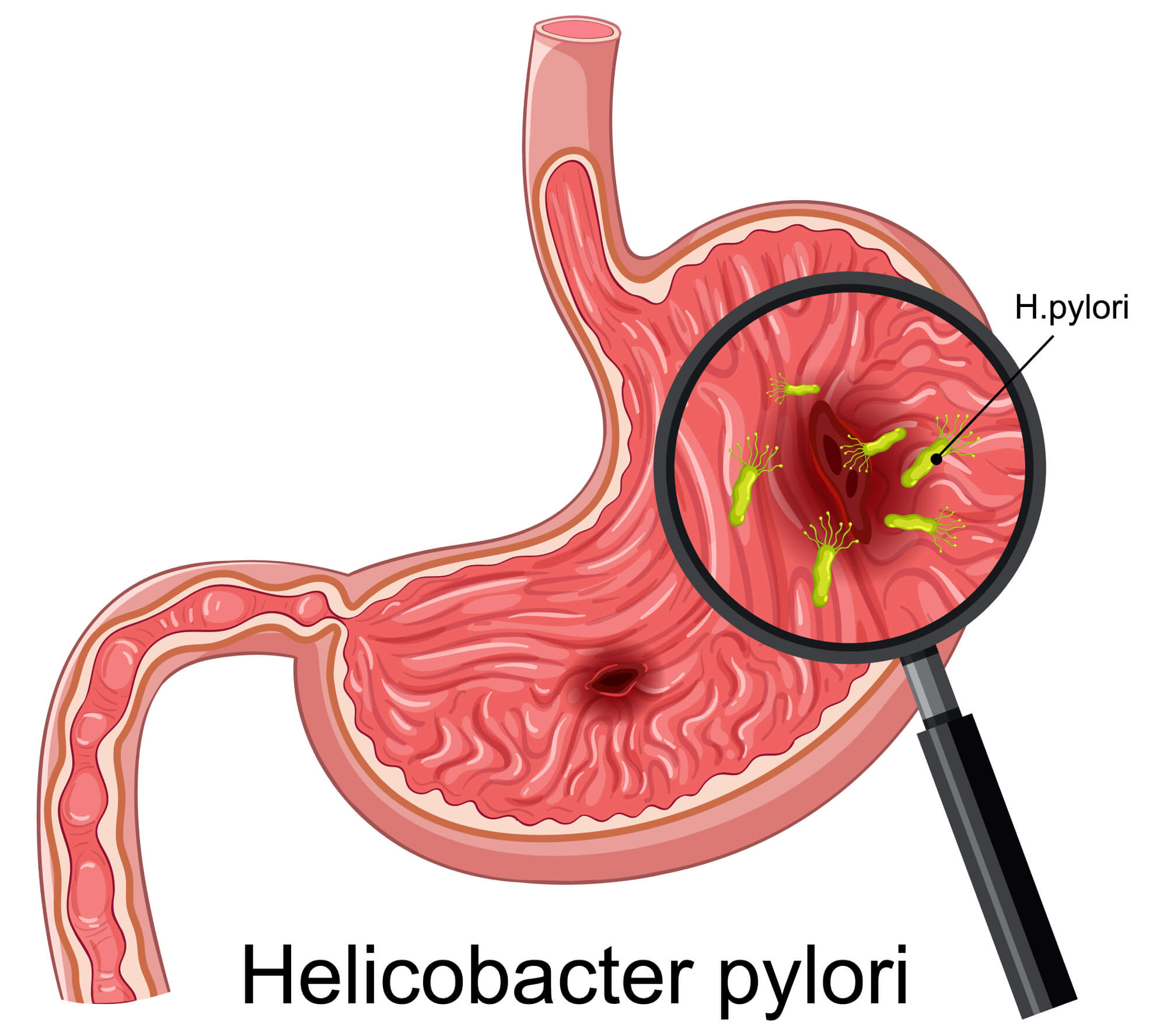
Your stomach acid exists for a reason: it is your first line of defense against harmful bacteria. At pH values between 1.5 and 3.5, it effectively destroys microorganisms. Unfortunately, stomach acid does not distinguish between harmful pathogens and beneficial probiotic bacteria.
Research published on National Institute of Health, found that the survival of the bacterium Lactobacillus rhamnosus GG dramatically increases in the presence of glucose, achieving up to a 6-log10 improvement in survival. Without adequate protection or fuel, bacteria are exposed to severe mortality in gastric acid conditions.
A comprehensive study examining probiotics in simulated gastric conditions, showed that when probiotics in dry powder form were exposed to HCl at pH 1.5, the bacteria died and did not form any colonies. However, pre-fermented probiotics in juices survived significantly better.
Think about it: if your dietary supplement contains 10 billion CFUs (colony-forming units), how many of them actually reach your intestines? The answer depends entirely on how well they are protected during their journey through the stomach. Resistance to stomach acid is the key factor that separates effective supplements from useless ones.
The problem with supplements? The CFU count on labels is measured at the time of production, not at the time of delivery. The number tells you how many good bacteria started the journey, not how many arrived at their destination: the gut.
Walk through a pharmacy: “20 billion CFU!” “50 billion CFU!” The message is clear—more must be better, right?
Science disagrees. The European Food Safety Authority (EFSA), one of the strictest regulatory bodies in the world, has rejected general health claims for probiotics. Why? Among other reasons, because most products cannot prove that their bacteria actually reach the intestine alive.
Therefore, no company selling probiotics in the European Union is allowed to use marketing terms such as “probiotic” in its advertising: scientific evidence for most products simply does not exist. That is why better manufacturers carefully select bacterial strains and package them in gastro-resistant capsules, which are then packaged in blister packs. Instead, we focus on what we can prove: bacterial survival rates and clinical documentation.

Standard gelatin or vegetable capsules dissolve immediately in stomach acid. Within 15-30 minutes, your probiotics are exposed to pH levels that kill most strains. That's why choosing acid-resistant formulations is important.
However acid-resistant enteric-coated capsules work differently. Research in Heliyon Journal showed that enteric-coated capsules did not disintegrate in simulated gastric fluid but dissolved in intestinal fluid, causing approximately 95% survival rate in live bacteria.
Another study from PMC showed that the enteral coating led to 20- to 40-fold increase in live cell delivery to the small intestine compared to uncoated products. These protective capsules represent the gold standard for stomach acid resistance.
The problem? Enteric-coated capsules cost 3-5 times more to produce. For companies focused on profit margins, this becomes an easy opportunity to cut costs. However, when looking for the best probiotics that survive stomach acid This technology is indispensable. Without it, you are essentially flushing your money down the toilet.
The packaging of capsules is also important. Every time you open a jar of capsules, you expose its contents to moisture (which kills bacteria), oxygen (which breaks down strains), and pathogenic bacteria. Pharmaceutical blister packaging stores each capsule individually, which extends the shelf life of its contents. This packaging method preserves the potency of the bacteria until the moment we consume them.
Let's say your probiotic survives stomach acid. Now the bacteria face another challenge: competition and hunger.
Your gut contains approximately 100 trillion existing bacteria. Without proper nutrition, new probiotic bacteria cannot establish themselves. Research shows that probiotics taken on their own are often eliminated within a few days because they lack the fuel to support colonization.
Prebiotics In particular, inulin from chicory is essential. A randomized controlled study published in PubMed, compared probiotics alone, prebiotics alone, and synbiotic combinations in patients with ulcerative colitis.
The results were clear: synbiotic therapy (probiotics plus prebiotics) has proven to be more effective than any component on its own. Numerous studies in guidelines of the World Gastroenterology Organisation confirm that synbiotics show increased therapeutic efficacy compared to probiotics.
Researchers concluded that probiotics without prebiotics showed limited effectiveness, while combinations yielded measurable, lasting improvements. Prebiotic fibers act as nutrients for beneficial bacteria, supporting their colonization and proliferation in your intestinal tract. When evaluating the best probiotics that survive stomach acid, Always check if they also contain prebiotics – this is the difference between temporary and lasting results.

This understanding is the reason why we have developed GastroCare Complete Biotics according to pharmaceutical standards, not typical marketing shortcuts used by dietary supplement sellers. Our formulation represents the pinnacle of probiotic science: bacteria that actually survive your digestive system and effectively colonize it.
Designed for: Digestive problems, travel-related digestive disorders, restoration of the microbiome after antibiotics, age-related digestive changes, and support for the immune system through gut health.
Usage: Take one capsule once or twice daily, one hour before a meal with 150 ml of water. For even better results, combine with our ImmunoCare capsules, which contain postbiotics to support normal immune system function.
Value: 15.70 € | Buy 2, save 5 %: 29.83 € | Buy 3+, save 10 %: 42.39 € | Free shipping on orders over 75 €
Get GastroCare Complete Biotics →
The probiotic industry has grown into a multi-billion dollar market, while most sellers quietly avoid the main question: Do these bacteria even reach your gut alive?
Most products are not thought through to the last detail – how probiotics are packaged. For the sake of greater profit, they abandon the standard type of packaging in blister packs and gastro-resistant capsules. But this drastically reduces the lifespan of good bacteria.
You don't need to give up on probiotics. You just need to know how to choose good probiotics. When evaluating supplements, pay attention to the following quality factors:
Your gut microbiome affects digestion, immunity, mental health, and metabolism. It deserves scientifically backed formulations designed to actually work. The best probiotics are those that survive stomach acid, are sensibly formulated, contain good strains of bacteria, that use the correct capsules containing prebiotic support and that follow pharmaceutical manufacturing standards.
Yes, but only certain strains. Lactobacillus plantarum and Lactobacillus rhamnosus show natural acid resistance. However, most strains need protective capsules to survive. Gastro-resistant capsules can increase survival rates by 20-40 times compared to standard formulations.
Find supplements:
These four factors determine which bacteria and how many bacteria reach your intestines alive.
The standard CFU for normal probiotic effectiveness is between 10 and 20 billion. However, the survival rate in the body is even more important than the CFU count. A supplement with 10 billion CFUs and an 80% survival rate delivers more live bacteria than 50 billion CFUs with a 10% survival rate. Focus on protective delivery technology and strain documentation, not marketing gimmicks and misleading numbers.
Probiotics are live beneficial bacteria that you ingest. Prebiotics are dietary fibers (such as inulin from chicory) that feed these bacteria in your gut. You need both for optimal results. Clinical studies show that symbiotic combinations are 3-4 times more effective than probiotics alone.
Take probiotics 30 minutes before meals or with food for best survival. However, if your probiotics are in acid-resistant capsules, timing is less important.
Most people notice improvement (less bloating, regular bowel movements) within 2-4 weeks with high-quality acid-resistant probiotics. Complete transformation of the microbiome requires 8-12 weeks of consistent daily use.

