




-
 ORGANIC TEA Chamomile | 25 bags
×
7,20 €1 × 7,20 €
ORGANIC TEA Chamomile | 25 bags
×
7,20 €1 × 7,20 €


132
GLUKOCARE | Benolea® Cimet Long Fiber DRINK, 15 sachets
33,89 €
Dietary supplement with three categories of ingredients:
- Benolea®:
- Patented olive leaf extract with oleuropein
- Clinically proven to reduce HbA1c (blood sugar marker)*
- Olive polyphenols protect lipids in the body from oxidative stress**
- Cinnamon bark:
- It mimics the action of insulin and thus helps maintain normal blood glucose levels***
- Lowers blood sugar levels by up to 25% %****
- 2 sources of long-chain fiber (so-called prebiotics):
- Inulin (from chicory), which may increase the feeling of fullness*****
- Fibregum™ (from acacia)
for balanced blood sugar levels.*
We are a pharmaceutical company with rich experience in formulating and manufacturing of
teas and dietary supplements.
[tiered-pricing-table]
GLUKOCARE | Benolea® Cimet Long Fiber DRINK, 15 sachets
SKU: 50766

Gluten-free

Lactose-free

GMO-free

Supported by certificates

Sustainable production
Free shipping on all orders over €75
Delivery within 3-5 business days. Delivery and returns
Opis
I.A. 132 – GLUKOCARE drink is a professionally formulated blend of herbs and long-chain fibers to help regulate blood sugar*, because:
- Benolea® is clinically proven to effectively lower blood glucose and HbA1c levels.*
- Cinnamon mimics the action of insulin and helps maintain normal blood glucose levels.
- It contains long fibers from acacia and chicory.
I.B. Napitek is intended (after consulting a doctor or pharmacist):
- People with metabolic syndrome who are prone to hyperglycemia (excessive sugar consumption) and/or hyperlipidemia (excessive fat consumption).
- People with prediabetes.
- People with type II diabetes (to regulate blood sugar) and type I diabetes (to potentially alleviate the effects of glucose and insulin fluctuations in the body, such as inflammation and oxidative stress). Olive polyphenols protect lipids from oxidative stress.***
- Pregnant women with gestational diabetes.
- As a possible aid in withdrawal syndrome after using Ozempic (or other diabetes medications that act on GLP-1 receptors), since oleuropein and inulin also act via GLP-1 receptors.******
I.C. Developed and manufactured in Slovenia in production facilities with GMP, IFS, ISO9001, and BIO certifications.
I.C.1. High-quality packaging ensures the durability of ingredients
Packaged in vegan/cellulose capsules (HPMC):
- Excellent protection of extracts and long fibers against degradation and contamination.
Packaged in blister packs:
- Excellent protection against contamination.
- Improved durability of capsules and ingredients (protection against moisture and oxygen).
I.C.2. High-quality ingredients, sensible recipes, from high-quality production
GlukoCare Benolea 132 contains carefully selected, high-quality ingredients, while Herba Medica also carefully checks the quality and reliability of its raw material suppliers and bases its products on sensibly measured ingredients and their synergies.
Herba Medica has decades of experience in the field of teas and supplements, and all aspects of our production are supervised by NIJZ, JAZMP, and EFSA regulators, as well as GMP, IFS, BIO E-kon-Cert, and ISO 9001 authorities. Our products are microbiologically tested by independent laboratories.
I.C.3. Environmentally friendly production
The olive leaf extract with oleuropein is produced in an environmentally friendly production facility by IFF Health, a multiple winner of the EcoVadis platinum award, one of the leading assessors of corporate environmental responsibility. This means that they were among the top 1% companies assessed worldwide. Herba Medica reduced its CO2 emissions of 2.84 tons per year and holds the Green Dot certificate.

Benolea ® is a patented olive leaf extract standardized to 16-24 % oleuropein, which acts on GLP-1 receptors. The extract has been clinically proven to reduce blood glucose levels.[11]

Cinnamon bark is said to mimic the action of insulin and has been clinically proven to lower blood sugar levels through

Inulin, or long-chain fiber from chicory, can act as a probiotic, i.e., as food for good bacteria in the gut. It swells in water and is difficult to digest, which could reduce glucose intake from food. Because it swells and acts on GLP-1 receptors, it also increases the feeling of satiety.

FibregumTM is a protected form of acacia extract. It is a long fiber that could act like inulin.
Gluten-free
Lactose-free
GMO-free
Supported by certificates
Sustainable production
Who trusts our products


Great product! I used to often struggle with problems such as overeating and not feeling full. This product helps me feel full. I take it before meals, which has proven to be very effective. The only minor drawback is the taste, which isn't the best, but the effect is definitely worth it.
Anja
This product helps me feel full.
Related products
-

Anti-aging and antioxidants, Supplements, Energy and focus, Burnout and stress, Natural supplements, Heart and blood vessels
ACTIVECARE | Fe AB-Fortis®, Vitamin C, Q10Vital®, VinOseed™ DRINK, 15 sachets
33,89 € -

Children's, Calming, Fruit and herbal tea
Tea Thief | Dragon 25 bags
6,89 € -
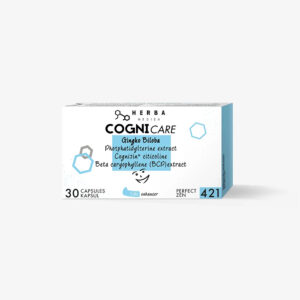
Supplements, Energy and Focus, Burnout and Stress, Cognition, Natural Supplements
COGNICARE
40,89 €
Our products are also available in pharmacies, shops, and drugstores.




Active ingredients
Per 100 g
Daily dose
% PDV*
Cinnamon bark extract (Cinnamomum cassia)
3.75 g
200 mg
//
Benolea® olive leaf extract (Olea europea L) standardized to 16-24% oleuropein
18.76 g
1000 mg
//
FibregumTM - long fibers from acacia (so-called prebiotic)
22.46 g
1197 mg
//
Inulin - long fibers from chicory (a prebiotic)
18.76 g
//
//
*RDA - Recommended Daily Allowance of vitamins and minerals (for adults)
Ingredients
Fibregum™ – long fiber from acacia, Benolea® – patented clinically tested olive leaf extract standardized to 16-24 % oleuropein, inulin, cinnamon bark extract, orange flavoring, acidity regulator: citric acid, red beet concentrate, anti-caking agent: tricalcium phosphate, beta carotene, and sweetener: sucralose.
Net quantity:
79.95 g (15 bags x 5.33 mg)
Nutritional
value
value
Per 100 g
Daily dose
% PDV*
Energy
1037 kJ / 240 kcal
55 kJ / 13 kcal
0,7 %
Fats
0.3 g
0.01 g
0,0 %
Of which saturated
0.2 g
0.01 g
0,1 %
Carbohydrates
33.4 g
1.8 g
0,7 %
Of which sugars
11.5 g
0.6 g
0,7 %
Dietary fiber
43.3 g
2.3 g
7,7 %
Proteins
1.8 g
0.1 g
0,2 %
Salt
0.2 g
0.01 g
0,2 %
Warning
The recommended daily intake should not be exceeded.
Food supplements are not a substitute for a balanced and varied diet and a healthy lifestyle.
Store out of reach of children, in a dry place at room temperature in the original packaging.
Instructions for use
Once a day, empty the contents of the bag into dry glass and add 150 ml of water or our tea.
Stir well to dissolve the drink and drink immediately.
As it contains long fibers, drink 1-2 hours before a meal.
Oleuropein, the main active ingredient, is also the very substance that gives olives and olive leaves their bitter taste, so this taste cannot be eliminated or masked. We ourselves do not like to add too many flavors and sweeteners, and if you do not like the taste, you can prepare the drink with tea or a flavored beverage.
Gluten-free
Lactose-free
GMO-free
Supported by certificates
Sustainable production
Who trusts our products
Great product! I used to often struggle with problems such as overeating and not feeling full. This product helps me feel full. I take it before meals, which has proven to be very effective. The only minor drawback is the taste, which isn't the best, but the effect is definitely worth it.
Anja
This product helps me feel full.
Related products
-

Organic, Calming, Herbal tea
Organic Mountain Tea | 25 bags
6,80 € -

Organic, Organic certification, Energy and focus, Calming, Herbal tea
Organic Tea | Mint with Lemongrass, 25 bags
6,80 € -
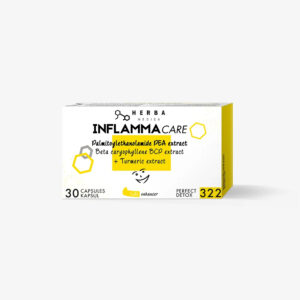
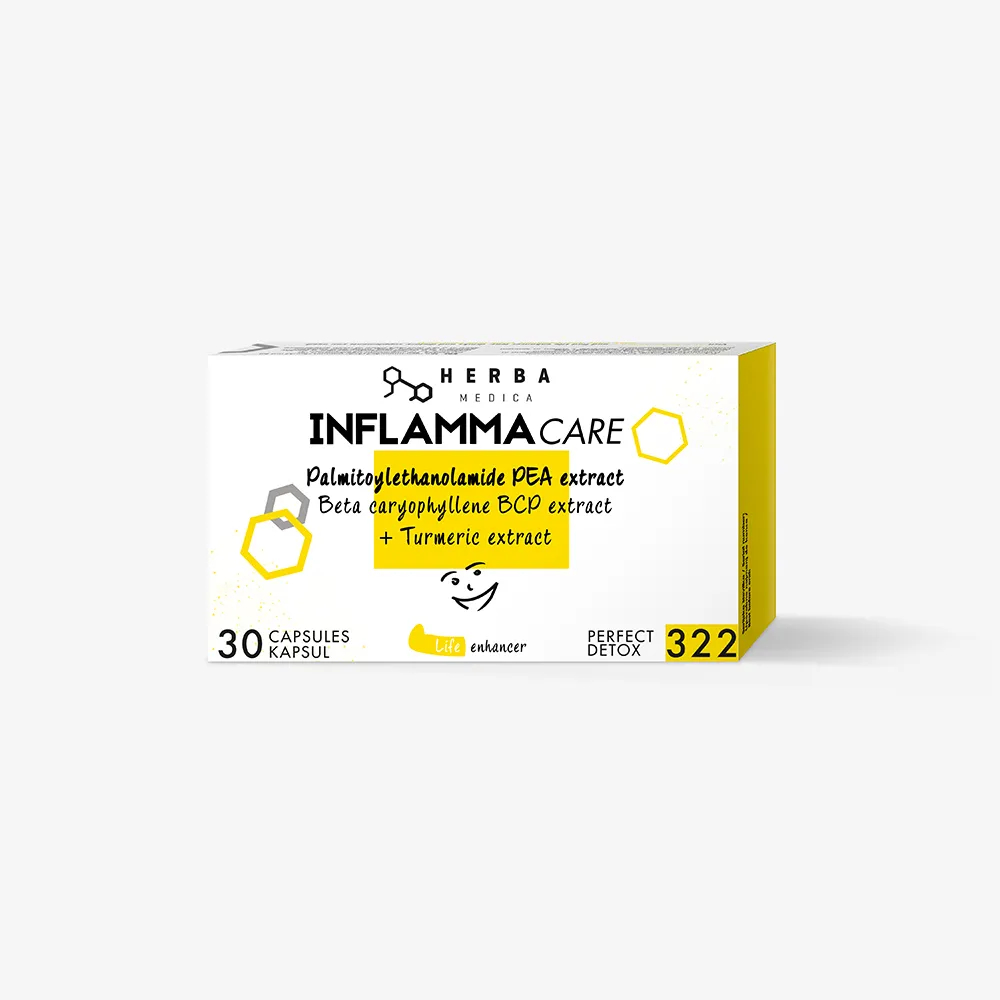
Anti-aging and antioxidants, Supplements, Immune system and resistance, Burnout and stress, Natural supplements
InflammaCare PEA | Turmeric, Beta-caryophyllene, Eugenol
41,89 €
Our products are also available in pharmacies, shops, and drugstores.
II. Premium supplement with clinically tested olive leaf extract, cinnamon bark, inulin, and long-chain acacia fiber
Over the past 50 years, a more sedentary lifestyle has become prevalent, characterized by reduced physical activity and increased consumption of meat, dairy products, vegetable oils, tobacco, sweet foods, sweetened beverages, and alcoholic beverages. In 2013, 382 million adults worldwide had diabetes, rising to 463 million in 2019, with 4.2 million people dying from diabetes in 2019.
II.A. Problems of poor metabolism
Diabetes is a group of medical conditions (metabolic syndrome, prediabetes, type 1 and type 2 diabetes, gestational diabetes) that affect the production, release, and use of insulin and can have various causes and mechanisms.
Hyperglycemia (too much sugar in the blood) and hyperlipidemia (too much fat in the blood) cause oxidative stress, amyloid accumulation in the pancreas, and chronic inflammation, leading to the destruction and dysfunction of β cells in the pancreas that release insulin.
II.A.1. Oxidative stress
Hyperglycemia and hyperlipidemia cause oxidative stress, which inhibits the mobilization of calcium Ca2+ in the pancreas (which should trigger insulin).
II.A.2. Amyloid accumulation
Hyperglycemia and hyperlipidemia also lead to the accumulation of amyloids in the pancreas. Amyloids are proteins that fold incorrectly due to oxidative stress, making them useless to the body. They accumulate in the pancreas and are believed to be one of the main causes of β-cell destruction.
II.A.3. Increased inflammation
In this process, β-cells are also subject to inflammation. In inflammation, the body's immune system attacks pathogens, but in chronic inflammation, it also attacks its own healthy cells. This chronic inflammation leads to the destruction of β-cells.
Non-functional β-cells do not respond to high levels of glucose and fat, or respond inadequately. As a result, they do not release enough insulin and glucose remains in the blood and organs, causing complications. Diabetes and similar conditions are a serious problem and require medical attention.
II.B. Scientific, in vitro, in vivo and the clinically proven effects of oleuropein and Benolea olive leaf extract®
In vitro Studies are laboratory studies on cells or tissues. Each active substance is further studied in vitro, and excerpts from these studies form the basis for animal studies (in vivo), which form the basis for clinical studies (on humans). In vitro and in vivo Studies do not yet indicate that the same effect will occur in humans; they are primarily intended to determine the mechanism of action.
II.B.1. Oleuropein may reduce oxidative stress
In vitro It has been proven that oleuropein protects lipids, i.e. short-chain fats, from oxidation. It has also been in vitro proved that oleuropein protects β-cells from oxidative stress. This could potentially inhibit the production of amyloids in the body.
And vivo It was then demonstrated that oleuropein also protects other antioxidants, specifically vitamins A, E, and C.
It has been clinically proven that oleuropein reduces markers of oxidative stress in humans.
II.B.2. Oleuropein may reduce inflammation
In vivo have demonstrated that oleuropein reduces markers of inflammation.
II.B.3. Oleuropein may enhance the action of GLP-1 peptides, thereby increasing insulin and satiety.
GLP-1 (glucagon-like peptide 1) is a hormone that regulates insulin and the feeling of satiety. Medications for diabetics, such as Ozempic, act specifically on GLP-1. It has been clinically proven that oleuropein increases GLP-1 in the body and reduces blood sugar after meals.
II.B.4. Benolea® clinically proven to reduce blood glucose levels
Benolea reduced blood glucose levels from 8.4 to 7.9 mmol/L 30 minutes after a meal and from 8.6 to 7.8 mmol/L 60 minutes after a meal.
II.C. Cinnamon is a natural insulin mimic
In vitro have shown that polyphenols from cinnamon and cinnamon bark have a similar effect to insulin.
Clinical studies have shown that cinnamon lowers blood glucose, even by up to 25 %. As a result, the European Food Safety Authority (EFSA) has approved the claim that cinnamon helps regulate blood sugar.
II.D. Inulin, long fibers from chicory, and FibregumTM, long fibers from acacia, can increase the feeling of satiety.
Inulin, or long-chain fiber from chicory, is a type of fiber that is difficult to digest, so the body does not use it. However, it can feed good bacteria and swell in water. The idea is that when this fiber swells in the intestine, it regulates the intake of glucose from food into the body. This effect is also thought to work through its influence on the hormone GLP-1. The European Food Safety Authority (EFSA) therefore allows the claim that inulin helps increase the feeling of satiety. Long-chain fiber from chicory, Fibregum, may work in the same way.TM.
Benolea® effectively reduces both glucose and insulin levels in the blood

Benolea reduced blood glucose levels from 8.4 to 7.9 mmol/L 30 minutes after a meal and from 8.6 to 7.8 mmol/L 60 minutes after a meal.
Gluten-free
Lactose-free
GMO-free
Supported by certificates
Sustainable production
Who trusts our products
Great product! I used to often struggle with problems such as overeating and not feeling full. This product helps me feel full. I take it before meals, which has proven to be very effective. The only minor drawback is the taste, which isn't the best, but the effect is definitely worth it.
Anja
This product helps me feel full.
Related products
-

Supplements, Immune System and Resistance, Natural Supplements, Digestion and Stomach
GASTROCARE Complete Biotics | 10 strains + Inulin CAPSULES
25,89 € -
Anti-aging and antioxidants, Supplements, Energy and focus, Burnout and stress, Natural supplements, Heart and blood vessels
ACTIVECARE | Fe AB-Fortis®, Vitamin C, Q10Vital®, VinOseed™ DRINK, 15 sachets
33,89 € -

Supplements, Immune System and Resistance, Bones, Natural Supplements
ESSENTIALCARE | Vitamin D3 and Non-Acidic C, CAPSULES
23,59 €
Our products are also available in pharmacies, shops, and drugstores.
Who trusts our products
Great product! I used to often struggle with problems such as overeating and not feeling full. This product helps me feel full. I take it before meals, which has proven to be very effective. The only minor drawback is the taste, which isn't the best, but the effect is definitely worth it.
Anja
This product helps me feel full.
Frequently asked questions
What is GLUKOCARE and how does it help regulate blood sugar?
GLUKOCARE combines Benolea® olive leaf extract, cinnamon bark, and prebiotics (inulin, Fibregum™) to help regulate blood sugar, improve insulin sensitivity, and support metabolic health.
How does Benolea® in GLUKOCARE help regulate blood sugar?
Benolea®, a patented olive leaf extract, lowers blood sugar and HbA1c levels and protects lipids from oxidative stress, improving blood sugar control.
Does GLUKOCARE help with type 2 diabetes?
Yes, GLUKOCARE helps manage type 2 diabetes by using cinnamon bark, which mimics the effects of insulin, and Benolea®, which lowers blood sugar levels and improves metabolism.
Who should use GLUKOCARE?
GLUKOCARE is suitable for people with metabolic syndrome, prediabetes, type 2 diabetes, gestational diabetes, and those who experience blood sugar fluctuations.
How should I take GLUKOCARE?
Take one sachet of GLUKOCARE daily, mix it with 150 ml of water or tea, 1-2 hours before a meal for optimal blood sugar control.
Related Products


Scientific literature
[1] SAEEDI, P., et al., Global and Regional Diabetes Prevalence Estimates for 2019 and Projections for 2030 and 2045: Results from the International Diabetes Federation, Diabetes Research and Clinical Practice, Vol. 157 (2019), Art. 107843. Global Diabetes Prevalence and Future Projections
[2] CHAARI, A., Inhibition of Human Islet Amyloid Polypeptide Aggregation and Cellular Toxicity by Oleuropein and Derivatives from Olive Oil, International Journal of Biological Macromolecules, Vol. 162 (2020), pp. 284–300. Oleuropein Polyphenols and hIAPP Amyloid Inhibition in Type 2 Diabetes
[3] HALBAN, P. A., POLONSKY, K. S., BOWDEN, D. W., HAWKINS, M. A., LING, C., MATHER, K. J., POWERS, A. C., RHODES, C. J., SUSSEL, L., WEIR, G. C., Beta-Cell Failure in Type 2 Diabetes: Postulated Mechanisms and Prospects for Prevention and Treatment, Diabetes Care, Vol. 37 (2014), pp. 1751–1758. Pathways Underlying β-Cell Loss and Targets for T2D Treatment
[4] VISIOLI, F., BELLOMO, G., MONTEDORO, G., GALLI, C., Low-Density Lipoprotein Oxidation Is Inhibited In Vitro by Olive Oil Constituents, Atherosclerosis, Vol. 117, Issue 1 (1995), pp. 25–32. Olive Oil Polyphenols and Their Inhibitory Effects on LDL Oxidation
[5] WU, L., VELANDER, P., LIU, D., XU, B., Olive Component Oleuropein Promotes β-Cell Insulin Secretion and Protects β-Cells from Amylin Amyloid-Induced Cytotoxicity, Biochemistry, Vol. 56, Issue 38 (2017), pp. 5035–5039.Inhibition of Amyloid Oligomer Toxicity by Oleuropein
[6] AL-AZZAWIE, H. F., ALHAMDANI, M. S., Hypoglycemic and Antioxidant Effect of Oleuropein in Alloxan-Diabetic Rabbits, Life Sciences, Vol. 78, Issue 12 (2006), pp. 1371–1377. Antioxidant and Hypoglycemic Effects of Oleuropein in Diabetic Models
[7] VISIOLI, F., CARUSO, D., GALLI, C., VIAPPIANI, S., GALLI, G., SALA, A., Olive Oils Rich in Natural Catecholic Phenols Decrease Isoprostane Excretion in Humans, Biochemical and Biophysical Research Communications, Vol. 278, Issue 3, pp. 797–799. Antioxidant Effects of Catecholic Phenols from Olive Oil
[8] KIM, Y. H., CHOI, Y. J., KANG, M. K., LEE, E. J., KIM, D. Y., OH, H., KANG, Y. H., Oleuropein Curtails Pulmonary Inflammation and Tissue Destruction in Models of Experimental Asthma and Emphysema, Journal of Agricultural and Food Chemistry, Vol. 6, Issue 29 (2018), pp. 7643–7654. Oleuropein reduces lung inflammation in asthma and COPD models
[9] CARNEVALE, R., SILVESTRI, R., LOFFREDO, L., NOVO, M., CAMMISOTTO, V., CASTELLANI, V., BARTIMOCCIA, S., NOCELLA, C., VIOLI, F., Oleuropein, a Component of Extra Virgin Olive Oil, Lowers Postprandial Glycaemia in Healthy Subjects, British Journal of Clinical Pharmacology, Vol. 84, Issue 7 (2018), pp. 1566–1574. Postprandial Glycaemic and Oxidative Benefits of Oleuropein
[10] WAINSTEIN, J., GANZ, T., BOAZ, M., BAR DAYAN, Y., DOLEV, E., KEREM, Z., MADAR, Z., Olive Leaf Extract as a Hypoglycemic Agent in Both Human Diabetic Subjects and Rats, Journal of Medicinal Food, Vol. 15, Issue 7 (2012), pp. 605–610. Olive Leaf Extract and Its Hypoglycemic Effects on Glucose Homeostasis
[11] ANDERSON, R. A., BROADHURST, C. L., POLANSKY, M. M., SCHMIDT, W. F., KHAN, A., FLANAGAN, V. P., SCHOENE, N. W., GRAVES, D. J., Isolation and Characterisation of Polyphenol Type-A Polymers from Cinnamon with Insulin-Like Biological Activity, Journal of Agricultural and Food Chemistry, Vol. 52 (2004), pp. 65–70. Modulation of glucose and insulin by polyphenols derived from cinnamon
[12] CANI, P. D., DEWEVER, C., DELZENNE, N. M., Inulin-Type Fructans Modulate Gastrointestinal Peptides Involved in Appetite Regulation (Glucagon-Like Peptide-1 and Ghrelin) in Rats, British Journal of Nutrition, Vol. 92 (2004), pp. 521–526. Inulin-type fructans modulate GLP-1 and ghrelin to influence appetite
[13] EFSA, Botanical Claims on Hold, ID 2013. EFSA’s Role in Assessing Evidence for Nutrition and Health Claims
[14] Health claim authorized by the European Food Safety Authority (EFSA), ID 1333. Scientific Assessment of Olive Polyphenol Claims by EFSA
[15] SAFDAR, M., et al., Effect of Various Doses of Cinnamon on Blood Glucose in Diabetic Individuals, Pakistan Journal of Nutrition, Vol. 3, Issue 5 (2004), pp. 268–272. Cinnamon as a Glycemic Modulator in Diabetes
[17] SILVA, M. L., BERNARDO, M. A., SINGH, J., DE MESQUITQA, M. F., Cinnamon as a Complementary Therapeutic Approach for Dysglycemia and Dyslipidemia Control in Type 2 Diabetes Mellitus and Its Molecular Mechanism of Action: A Review, Nutrients, Vol. 14, Issue 13 (2022), p. 2773. Cinnamon’s Effects on Blood Glucose and Lipid Profile in Type 2 Diabetess
Our products are also available in pharmacies, shops, and drugstores.
We are a pharmaceutical company with rich experience in formulating and manufacturing of teas and dietary supplements.
We are a pharmaceutical company with rich experience in formulating and manufacturing of teas and dietary supplements.
Knowledge is power Sign up to our newsletter
Quick links
Contact
Herba Medica, LLC
Preserska Road 5,
SI-1235 Radomlje
info@herba-medica.si
+386 (1) 562 06 03

Herba Medica is a high-tech company
for the development of teas and dietary supplements.
for the development of teas and dietary supplements.
Herba Medica is a high-tech company
for the development of teas and dietary supplements.
for the development of teas and dietary supplements.
Quick links
Contact
Herba Medica, LLC
Preserska Road 5,
SI- 1235 Radomlje
info@herba-medica.si
+386 (1) 562 06 03
Knowledge is power
Sign up to our newsletter
Herba Medica © 2026 All rights reserved | Powered by OneAboveAI

