Magnesium and B complex are key to stress management
Magnesium plays a key role in regulating the response to stress. Stress increases magnesium loss, as stress hormones cause magnesium to be released from cells into the intercellular space. From there, magnesium is excreted from the body in urine.
Constant stress causes magnesium deficiency. Magnesium deficiency increases the body's susceptibility to stress, which causes further magnesium depletion, thus completing the vicious cycle of magnesium deficiency. The more nervous we are, the more magnesium we lose, and the more stressed we become. Magnesium and vitamins B1, B2, B3, B6, B7, and B12 contribute to the normal functioning of the nervous system.*
Magnesium and B complex are the basis for good sleep and less irritability.
Due to the stressful modern lifestyle, magnesium deficiency is one of the most common problems in the general population, with nearly two-thirds of the Western world suffering from magnesium deficiency. The most common signs and symptoms of deficiency are related to nervous and neuromuscular hyperirritability, resulting in poor sleep, fatigue, and even exhaustion or burnout. Magnesium, vitamins B2, B3, B5, B6, B9, and B12 contribute to the reduction of tiredness and fatigue.**
Chronic magnesium and B vitamin deficiency can also increase the risk of physical and mental illness over time, as magnesium and vitamins B1, B3, B6, B7, B9, and B12 contribute to normal psychological function.***
StressCare is especially indispensable for athletes
StressCare is particularly interesting for athletes.
Magnesium is involved in more than 300 essential metabolic processes, including energy production, blood pressure regulation, nerve signal transmission, and muscle contraction.
Magnesium and vitamins B1, B2, B3, B6, B7, and B12 contribute to the normal functioning of the nervous system, which is important for normal motor function.*
Vitamin B1 contributes to normal heart function, while vitamins B2, B6, and B12 contribute to normal red blood cell formation, which carry hemoglobin and oxygen throughout the body and to the muscles.
Magnesium plays a role in the process of cell division, which is important for tissue regeneration.
Vitamin B2 contributes to the protection of cells from oxidative stress resulting from increased activity of the body and mitochondria, which produce energy for cells.******
Vitamins B5 and B6 are interesting because of their effect on hormones. B5 contributes to normal mental activity and to the normal synthesis and metabolism of steroid hormones, vitamin D, and certain neurotransmitters. Vitamin B6 contributes to the regulation of hormonal function.*******
Health claims authorized by the European Food Safety Authority (EFSA):
* ID22, ID213, ID44, ID66, ID116, ID95
** ID205, ID47, ID63, ID78, ID108
*** ID205, ID55, ID77, ID120, ID81, ID95
**** ID30, ID40, ID41
***** ID30, ID67, ID97, ID92
******ID207
******* ID181, ID69
Supported by certificates
Related products
-
Diabetes and metabolic problems, Supplements, Natural supplements
GLUKOCARE | Benolea® Cimet Long Fiber DRINK, 15 sachets
19,10 €
-
Anti-age and antioxidants, Bio-certified, Supplements, Energy and focus, Immune system and immunity, Burnout and stress, Natural supplements, Pregnancy, Digestion and stomach, Cardiovascular health
GLUKOCARE Benolea®
7,89 €
-
Supplements, Natural supplements
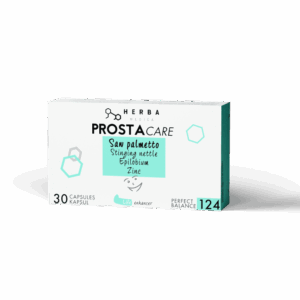
PROSTACARE
15,00 €
Our products are also available in pharmacies, shops, and drugstores.






 Tea Thief | Braveheart 25 bags
×
4,65 €1 × 4,65 €
Tea Thief | Braveheart 25 bags
×
4,65 €1 × 4,65 € BIO Ganoderma lucidum with acerola 60 capsules
×
22,98 €2 × 11,49 €
BIO Ganoderma lucidum with acerola 60 capsules
×
22,98 €2 × 11,49 € STRESSCARE 2 | Direct Mg 400 B complex Vitamin C DIRECT, 50 sachets
×
20,90 €1 × 20,90 €
STRESSCARE 2 | Direct Mg 400 B complex Vitamin C DIRECT, 50 sachets
×
20,90 €1 × 20,90 €