


-
 Tea Thief | Shepherd 25 bags
×
13,10 €2 × 6,55 €
Tea Thief | Shepherd 25 bags
×
13,10 €2 × 6,55 € -
 Forest fruits tea | 25 bags
×
4,80 €1 × 4,80 €
Forest fruits tea | 25 bags
×
4,80 €1 × 4,80 € -
 ORGANIC TEA | For babies, 25 bags
×
6,80 €1 × 6,80 €
ORGANIC TEA | For babies, 25 bags
×
6,80 €1 × 6,80 € -
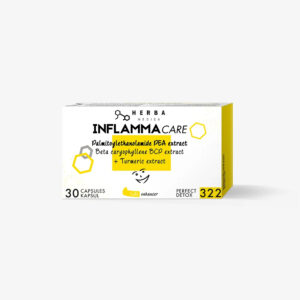 InflammaCare PEA | Turmeric, Beta-caryophyllene, Eugenol
×
41,89 €1 × 41,89 €
InflammaCare PEA | Turmeric, Beta-caryophyllene, Eugenol
×
41,89 €1 × 41,89 €
Search
Account
66,59 €
5
Your shopping cart is empty.
-
Tea Thief | Shepherd 25 bags
×
13,10 €2 × 6,55 €
-
Forest fruits tea | 25 bags
×
4,80 €1 × 4,80 €
-
ORGANIC TEA | For babies, 25 bags
×
6,80 €1 × 6,80 €
-
InflammaCare PEA | Turmeric, Beta-caryophyllene, Eugenol
×
41,89 €1 × 41,89 €

Search
Account
66,59 €
5
Your shopping cart is empty.
-
Tea Thief | Shepherd 25 bags
×
13,10 €2 × 6,55 €
-
Forest fruits tea | 25 bags
×
4,80 €1 × 4,80 €
-
ORGANIC TEA | For babies, 25 bags
×
6,80 €1 × 6,80 €
-
InflammaCare PEA | Turmeric, Beta-caryophyllene, Eugenol
×
41,89 €1 × 41,89 €

231
ACTIVECARE | Fe AB-Fortis®, Vitamin C, Q10Vital®, VinOseed™ DRINK, 15 sachets
33,89 €
Dietary supplement with two categories of ingredients:
- AB-Fortis® highly bioavailable iron:
- Microencapsulated Fe3+ Iron with high bioavailability without side effects or metallic (after)taste.
- 3 sources of antioxidants:
- Vitamin C****
- Water-soluble Coenzyme Q10Vital®
- VinOseed™: Forest berry extract standardized to 95% polyphenols, specifically proanthocyanidins, and a source of natural resveratrol.**
to help maintain daily vitality without chronic fatigue and to promote beautiful skin.
We are a pharmaceutical company with rich experience in formulating and manufacturing of
teas and dietary supplements.
[tiered-pricing-table]
ACTIVECARE | Fe AB-Fortis®, Vitamin C, Q10Vital®, VinOseed™ DRINK, 15 sachets
SKU: 50767

Anti-aging

For the skin
Free shipping on all orders over €75
Delivery within 3-5 business days. Delivery and returns
Opis
231 – ACTIVECARE The drink is a scientifically designed combination of iron and antioxidants.
The advantages of the drink lie in its composition, packaging, and production processes.
The composition of the drink works on the synergy of ingredients to help with fatigue and healthy skin.
- Water-soluble Q10, a key antioxidant in mitochondria with excellent clinically proven bioavailability*
- Proanthocyanidins in grape seed extract as an aid against oxidative stress in the body and skin**
- Resveratrol, an important polyphenol and antioxidant within cells, which could be involved in activating the SIRT1 system***
- Vitamin C, antioxidant****
- A source of iron (15 % PDV) intended for increased production of hemoglobin and red blood cells and, consequently, increased oxygen levels in the blood and skin.*****
The powder for the drink is packaged in bags.
This type of packaging has several advantages:
- Provides protection against moisture, oxygen, and pathogens.
- For ingredients that require sufficient water intake for better absorption.
- This allows for the packaging of larger quantities of ingredients, as the recommended daily dose for some ingredients is too large to be packaged in a capsule with a volume limited to approx. 500-1000 mg.
Developed and manufactured in Slovenia in production facilities with GMP, IFS, ISO9001, and BIO certifications.
High-quality ingredients, sensible recipes, from high-quality production
ActiveCare drink 231 contains carefully selected high-quality ingredients, and Herba Medica also carefully checks the quality and reliability of its raw material suppliers and bases its products on sensibly measured ingredients and their synergies. Herba Medica has decades of tradition in the field of teas and supplements, and all aspects of our production are supervised by the NIJZ, JAZMP, and EFSA regulators, as well as by the GMP, IFS, BIO E-kon-Cert, and ISO 9001 bodies. The products are microbiologically tested by independent laboratories.
Environmentally friendly production
The ingredients are sourced from manufacturers with environmentally friendly circular economy production processes. Herba Medica reduced its CO2 emissions of 2.84 tons per year and holds the Green Dot certificate.

VinOseed grape seed extractTM It is standardized to 95% % polyphenols and is a source of proanthocyanidins, resveratrol, quercetin, and catechins. More and more studies indicate that isolated molecules (resveratrol, quercetin, or catechins alone) do not have the expected effect and that more than 200 different polyphenols in grapes work positively in synergy.
In vitro, in vivo, and clinical studies indicate that it reduces oxidative stress.

Iron contributes to the formation of hemoglobin and red blood cells, thereby helping to transport oxygen throughout the body and reduce fatigue. AB Fortis® iron is microencapsulated Fe3+iron, mimicking natural absorption in the duodenum, without overdose, without metallic (after)taste, with fewer or no side effects on digestion, and with clinically proven excellent bioavailability.[11]

The body produces coenzyme Q10 to help capture free radicals that are produced during cellular respiration in the mitochondria. The problem with standard Q10 supplements is their very poor absorption and low bioavailability. Q10Vital® is a patented water-soluble form with clinically proven excellent bioavailability.[12]

Vitamin C is a natural antioxidant that also protects vitamin E, another natural antioxidant. Vitamin C contributes to the immune system, increases the absorption of iron from food, reduces fatigue, and aids in food metabolism. In the skin, it helps in the normal formation of collagen fibers, thus contributing to normal healthy skin.

FibregumTM is a protected form of long fiber from acacia. Long fibers (the best known example is inulin) are being studied for their potential positive effects on the intestines as a prebiotic (food for good bacteria), as a possible aid in treating leaky gut and reducing feelings of hunger (because it swells with water in the intestines), as an aid for constipation and, consequently, for its possible positive effects on the immune system.
Related products
-

Organic, Calming, Herbal tea
Organic Mountain Tea | 25 bags
6,80 € -

Anti-aging and antioxidants, Natural supplements, Heart and blood vessels, Herbal tea
ACTIVECARE Tea | Vitality 25 bags
7,89 € -

Supplements, Burnout and stress, Cognition, Natural supplements, Calming
STRESSCARE 2 | Direct Mg 400 B complex Vitamin C DIRECT, 50 sachets
22,89 €
Our products are also available in pharmacies, shops, and drugstores.




Active ingredients
Per 100 g
Daily dose
% PDV*
Vitamin C (from acerola extract)
1.6 g
80.0 mg
100 %
Iron (microencapsulated AB Fortis®)
42.2 g
2.1 mg
15 %
Coenzyme Q10 (water-soluble Q10Vital®)
1.0 g
50 mg
//
VinOseedTM (grape seed extract with 95% polyphenols and proanthocyanidins)
6.1 g
300 mg
//
*RDA - Recommended Daily Allowance of vitamins and minerals (for adults)
Ingredients
Strawberry, cherry, FibregumTM, fructose, acerola extract, Q10Vital®, VinOseedTM, red beet concentrate, acidity regulator: citric acid, anti-caking agent: tricalcium phosphate, wild cherry flavoring, raspberry flavoring, microencapsulated iron saccharate AB-Fortis®, and sweetener: sucralose.
Net quantity:
74.28 g (15 bags x 4.95 mg)
Nutritional
value
value
Per 100 g
Daily dose
% PDV*
Energy
1256 kJ / 290 kcal
62 kJ / 14 kcal
0,7 %
Fats
0.2 g
0.01 g
0,0 %
Of which saturated
0.1 g
0.01 g
0,0 %
Carbohydrates
71.6 g
3.5 g
1,4 %
Of which sugars
26.6 g
1.3 g
1,5 %
Dietary fiber
14.4 g
0.7 g
2,4 %
Proteins
1.6 g
0.08 g
0,2 %
Salt
1.2 g
0.06 g
1,0 %
Warning
The recommended daily intake should not be exceeded.
Food supplements are not a substitute for a balanced and varied diet and a healthy lifestyle.
Store out of reach of children, in a dry place at room temperature in the original packaging.
Instructions for use
Shake the contents of the bag once a day. in a dry glass and add 150 ml of water or our tea. Stir well to dissolve the drink and drink it immediately.
Related products
-
Anti-aging and antioxidants, Calming, Herbal tea
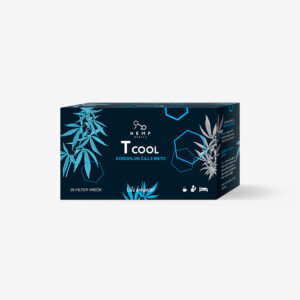
HEMP MEDICA T COOL | Hemp with mint 25 bags
7,89 € -

Organic, Organic certification, Pregnancy, Digestion and stomach, Herbal tea
Organic Tea | for nursing mothers, 25 bags
6,80 € -

Anti-aging and antioxidants, Organic, Energy and focus, Herbal tea
Organic Green Tea | with Ginger, 25 bags
7,20 €
Our products are also available in pharmacies, shops, and drugstores.
231 – ACTIVECare: the first Slovenian supplement based on the French Mediterranean paradox and the positive role of coenzyme Q10
In this tab, we would like to explain the story behind the development of the product and how we arrived at this composition through various approaches, considerations, and findings from professional literature. ActiveCare drink thus contains ingredients that contribute to bodily processes related to aging, stress, and sports.
Aging: fatigue, inflammation, cardiovascular and metabolic problems
Problems associated with aging include increasing fatigue, metabolic problems, chronic inflammation or so-called inflamm-aging, and complications with the cardiovascular system. After the age of 30, and certainly after the age of 40, the body begins to metabolize sugar and fats less efficiently, resulting in problems with blood pressure, cholesterol, and fatty deposits on the arteries.
Aging also affects cells. Mitochondria, or energy factories for cells, use cellular respiration to produce ATP molecules, which are essentially metabolized glucose molecules that serve as energy for all cells in the body. This process produces free oxygen radicals (reactive oxygen species or ROS), i.e., free oxygen atoms that quickly bind to other molecules. This changes the structure of these molecules and can render them useless to the human body. These molecules then remain in the cells, disrupting metabolism, destroying tissue, and generally accelerating the aging process.
What do sports, stress, and aging have in common? Live fast, die young
During sports activities and stress, the body is in »high gear,« so it produces ATP molecules at an accelerated rate and metabolic processes are generally accelerated. This is why the expression »live fast, die young« is sometimes used.
When the body is working hard, more free radicals are produced and the need for Q10 increases. The need for iron also increases, as iron in hemoglobin binds oxygen, which is essential for the functioning of the human body, especially the muscles.
The role of coenzyme Q10, proanthocyanidins, resveratrol, long-chain fiber, and iron in longevity and healthy skin: the French Mediterranean paradox
The Mediterranean paradox stems from studies of the diet of Europeans after World War II. The paradox lies in the fact that Southern Europeans consume fatty foods, yet cardiovascular diseases are less common.
There are several explanations. The two most well-known explanations are the consumption of olive oil (interestingly, for lowering cholesterol and helping with diabetes, which is why we added olive leaf extract to the GlukoCare 132 drink) and the consumption of wine, or rather, the healthier version, the consumption of polyphenols from grapes.
Among the polyphenols in grapes, we find resveratrol, which also fights these free radicals and, according to some studies, even causes the formation of new mitochondria and activates the SIRT1 group of sirtuins. Sirtuins are proteins that help protect and repair DNA, especially during cell division and the construction of new tissues and skin.
In addition to polyphenols, consuming long-chain fibers from fruits and vegetables, such as FibreGumTM, is also believed to contribute to longevity.
To reduce the harmful effects of free radicals from cellular respiration, the body produces coenzyme Q10. 80% of all Q10 in the body is found inside the mitochondria, but as we age, the body produces less and less of this miraculous molecule.
With aging, stress, and sports, the need for iron also increases, as the body absorbs it less efficiently. After the age of 50, the prevalence of anemia in adults increases and exceeds 20% in those older than 85. In nursing homes, anemia is present in 48% to 63% of residents.
Grape seed extract contains antioxidants

Clinical studies of grape seed extracts have demonstrated antioxidant properties. An in vitro (laboratory) study showed that VinOseedTM actually binds oxygen radicals, thus confirming its mechanism of action.
Related products
-

Immune system and resistance, Herbal tea
IMUNOCARE Tea | for immunity 25 bags
7,89 € -

Supplements, Energy and focus, Burnout and stress, Natural supplements, Calming
STRESSCARE | Magnesium + B complex DRINK, 15 sachets
24,89 € -
Organic, Organic certification, Pregnancy, Digestion and stomach, Herbal tea
Organic Tea | for nursing mothers, 25 bags
6,80 €
Our products are also available in pharmacies, shops, and drugstores.


Frequently asked questions
What are the main ingredients of 231 ActiveCare Iron + Antioxidants?
ActiveCare 231 contains VinOseed® (grape seed extract), AB-Fortis® iron, Q10 Vital® (water-soluble coenzyme Q10), vitamin C, and Fibregum™ (prebiotic). These ingredients help improve energy, iron absorption, skin health, and reduce fatigue and oxidative stress.
How does AB-Fortis® iron help reduce fatigue?
AB-Fortis® iron has high bioavailability, which increases hemoglobin formation and improves oxygen transport in the blood. This helps reduce fatigue and contributes to higher energy levels.
What are the benefits of VinOseed® for the skin and as an antioxidant?
VinOseed® is rich in polyphenols such as proanthocyanidins and resveratrol. It acts as a powerful antioxidant, reduces oxidative stress, and supports healthy, youthful skin.
How does Q10 Vital® improve vitality and endurance?
Q10 Vital® increases ATP production in mitochondria, which improves vitality, physical endurance, and reduces fatigue, especially during physical activity.
How does Fibregum™ support digestion?
Fibregum™ is a prebiotic fiber that supports a healthy gut microbiome, improves digestion, and helps prevent constipation, which also has a positive effect on the immune system.
Related Products


Scientific literature
[1] PARKER, D. et al., Age-Related Adverse Inflammatory and Metabolic Changes Begin Early in Adulthood, Journal of Gerontology: Series A, Vol. 74, Issue 3 (2019), pp. 283–289. Age-related inflammatory and metabolic changes in adulthood
[2] PALMER, A. K., JENSEN, M. D., Metabolic Changes in Aging Humans: Current Evidence and Therapeutic Strategies, Journal of Clinical Investigation, Vol. 132, Issue 16 (2022). AGE-RELATED METABOLIC CHANGES AND THERAPEUTIC STRATEGIES
[3] DYKENS, J. A., Redox Enzymes, in: Taylor, J. B. & Triggle, D. J. (eds.), Comprehensive Medicinal Chemistry II, Elsevier, 2007, pp. 1053–1087. Mitochondrial failure and drug development for chronic diseases
[4] JARDIM, F. R., et al., Resveratrol and Brain Mitochondria: A Review, Molecular Neurobiology, Vol. 55, Issue 3 (2018), pp. 2085–2101. RESVERATROL AND MITOCHONDRIAL FUNCTION IN THE BRAIN
[5] MOHAR, D. S., MALIK, S., The Sirtuin System: The Holy Grail of Resveratrol?, Journal of Clinical and Experimental Cardiology, Vol. 3, Issue 11 (2012), Article No. 216. RESVERATROL, OXIDATIVE STRESS, AND CARDIOVASCULAR DISEASE
[6] SALIVE, M. E., CORNONI-HUNTLEY, J., GURALNIK, J. M., PHILLIPS, C. L., WALLACE, R. B., OSTFELD, A. M., et al., Anemia and Hemoglobin Levels in Older Persons: Relationship with Age, Gender, and Health Status, Journal of the American Geriatrics Society, Vol. 40 (1992), pp. 489–496. Age-related anemia and hemoglobin decline in older adults
[7] SPEAKMAN, J. R., SELMAN, C., McLAREN, J. S., HARPER, E. J., Living Fast, Dying When? The Link Between Aging and Energetics, Journal of Nutrition, Vol. 132 (6 Suppl. 2) (2002), pp. 1583S–1597S. ENERGETICS AND THE RATE-OF-LIVING THEORY OF AGING
[8] SANTANGELO, C., FILESI, C., VARÌ, R., SCAZZOCCHIO, B., FILARDI, T., FOGLIANO, V., D’ARCHIVIO, M., GIOVANNINI, C., LENZI, A., MORANO, S., MASELLA, R., Consumption of Extra-Virgin Olive Oil Rich in Phenolic Compounds Improves Metabolic Control in Patients with Type 2 Diabetes Mellitus: A Possible Involvement of Reduced Levels of Circulating Visfatin, Journal of Endocrinological Investigation, Vol. 39, Issue 11 (2016), pp. 1295–1301. Polyphenol-rich olive oil and metabolic improvement in type 2 diabetes
[9] RENAUD, S., DE LORGERIL, M., Wine, Alcohol, Platelets, and the French Paradox for Coronary Heart Disease, The Lancet, Vol. 339, Issue 8808 (1992), pp. 1523–1526. Wine, platelets, and the French paradox in heart disease
[10] RASINES-PEREA, Z., TEISSEDRE, P.-L., Grape Polyphenols’ Effects in Human Cardiovascular Diseases and Diabetes, Molecules, Vol. 22, Issue 1 (2017), Article No. 68. Grape polyphenols in cardiovascular disease and type 2 diabetes
[11] DE LORGERIL, M., SALEN, P., PAILLARD, F., LAPORTE, F., BOUCHER, F., DE LEIRIS, J., Mediterranean Diet and the French Paradox: Two Distinct Biogeographic Concepts for One Consolidated Scientific Theory on the Role of Nutrition in Coronary Heart Disease, Cardiovascular Research, Vol. 54, Issue 3 (2002), pp. 503–515. Mediterranean diet, French paradox, and nutrition in heart disease
[12] CONTRERAS, C., BARNUEVO, M. D., GUILLÉN, I., LUQUE, A., LÁZARO, E., ESPADALER, J., LÓPEZ-ROMÁN, J., VILLEGAS, J. A., Comparative Study of the Oral Absorption of Microencapsulated Ferric Saccharate and Ferrous Sulfate in Humans, European Journal of Nutrition, Vol. 53 (2014), pp. 567–574.Oral absorption of microencapsulated vs. standard iron
[13] ŽMITEK, J., ŽMITEK, K., PRAVST, I., Improving the Bioavailability of Coenzyme Q10: From Theory to Practice, Agro Food Industry Hi-Tech, Vol. 19, Issue 4 (2008), pp. 9–10. Improving Coenzyme Q10 Bioavailability
[14] ŽMITEK, J., ŠMIDOVNIK, A., FIR, M., PROŠEK, M., ŽMITEK, K., WALCZAK, J., PRAVST, I., Relative Bioavailability of Two Forms of a Novel Water-Soluble Coenzyme Q10, Annals of Nutrition & Metabolism, Vol. 52, Issue 4 (2008), pp. 281–287. Bioavailability of water-soluble coenzyme Q10
[15] CARR, A. C., MAGGINI, S., Vitamin C and Immune Function, Nutrients, Vol. 9, Issue 11 (2017), p. 1211. Vitamin C and Immune Defense and Infection Control
[16] ABDELLATIF, M., Sirtuins and pyridine nucleotides, Circular Research, Vol. 111, Issue 5 (2012), pp. 642–656. Sirtuins and Metabolism and Mitochondrial Function
Our products are also available in pharmacies, shops, and drugstores.
We are a pharmaceutical company with rich experience in formulating and manufacturing of teas and dietary supplements.
We are a pharmaceutical company with rich experience in formulating and manufacturing of teas and dietary supplements.
Knowledge is power Sign up to our newsletter
Quick links
Contact
Herba Medica, LLC
Preserska Road 5,
SI-1235 Radomlje
info@herba-medica.si
+386 (1) 562 06 03

Herba Medica is a high-tech company
for the development of teas and dietary supplements.
for the development of teas and dietary supplements.
Herba Medica is a high-tech company
for the development of teas and dietary supplements.
for the development of teas and dietary supplements.
Quick links
Contact
Herba Medica, LLC
Preserska Road 5,
SI- 1235 Radomlje
info@herba-medica.si
+386 (1) 562 06 03
Knowledge is power
Sign up to our newsletter
Herba Medica © 2026 All rights reserved | Powered by OneAboveAI

